Nikolay Shestak Had Never Been to New York. He Built It Anyway, Cast His Family, and Won Astana's $450,000 Top Prize.
Nikolay Shestak's "The First Honest Day" took the top prize at the Astana AI Film Festival. In an interview reported today, he walks through how a 20-minute film gets made shot by shot — starting from a still picture every time, keeping one voice per character, and spending about €5,000 along the way.
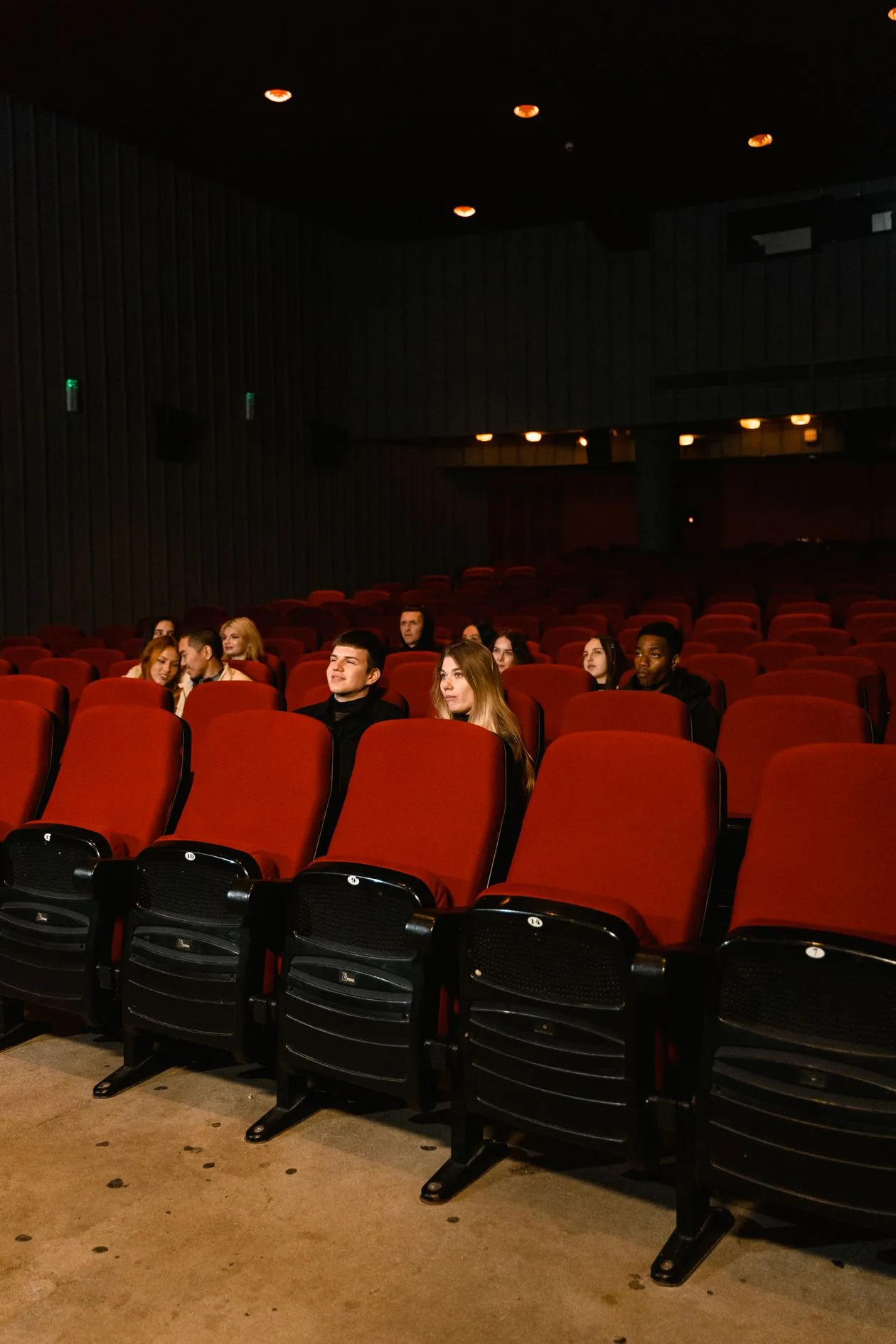
Start with the problem he set himself. In The First Honest Day, people wake up one morning and their faces have changed — how they treat other people now shows on their faces. People reach for masks, afraid it's another sickness spreading. Scientists argue about the cause on television. The film follows a TV anchor trying to work out what happened in the first few hours.
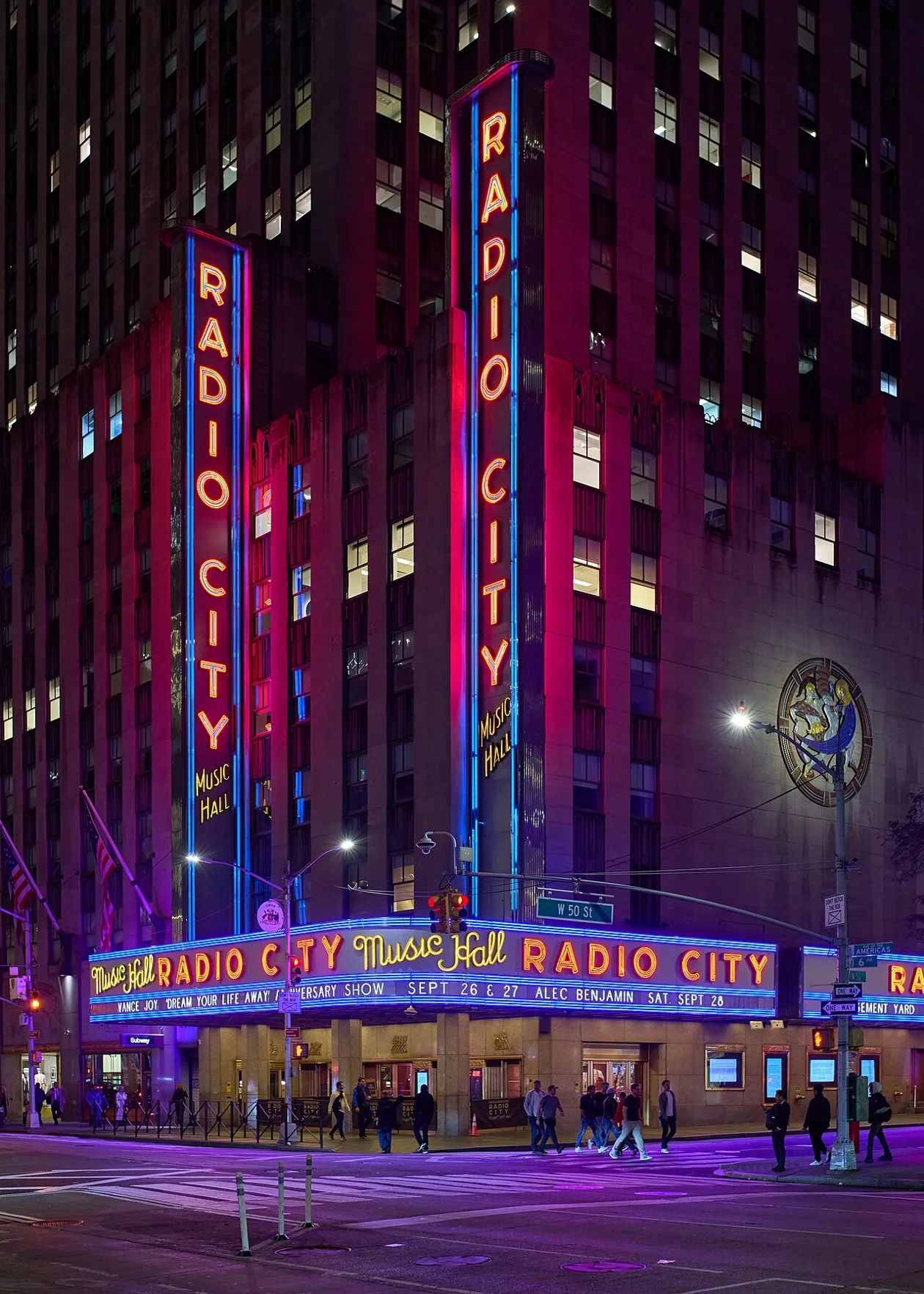
Nikolay Shestak had never visited New York, where the film is set. "I'm telling a story about an America I've only seen in movies," he said, talking to Tatyana Moiseeva, host of the Na Grani podcast, in an interview reported today, November 5, by Qazinform News Agency.
At the festival in Astana, he asked two Americans if they could tell a foreigner had made it. The city fooled them. A few lines of speech didn't — they understood every word his characters said, but told him they would have said it differently. That's a useful detail. It tells you exactly where the tools carried him and where they stopped.
Every shot starts as a still picture
Shestak started each shot with a still image. He chose where the camera sits and how the light falls, then decided what would move: a car passing behind the action, a woman with an umbrella crossing in front of the camera.
That order matters. The picture comes first, while everything is still and can be judged. Movement comes second, one decision at a time. Anyone who has made anything this way will recognise the shape of the work — it's less like filming and more like building a set, lighting it, and only then calling "action."
His characters keep the same voices from shot to shot because he reused the same sound sample for each one. Simple, and easy to miss: if the voice changes every time a character speaks, the audience stops believing the person. One sample, reused, holds the person together.
The face he couldn't get, he cast
For the last shot, Shestak tried several made-up children's faces. None had the expression he wanted. Then he remembered where he had seen that expression: on his nephew. So the nephew is in the film. His mother is in it too. Shestak himself plays the main character's lover.
"We work on it together, but I make the final decisions," he said of working with the tools. The casting tells the same story. When the made-up faces fell short, he didn't keep asking for more of them. He went and got a real one.
He worked through the small, everyday questions the story raised in the same practical way. If your face no longer matches your phone, how do you unlock it? How do you get through passport checks at the airport? The film lives or dies on those details, and he chased them one by one.
What it cost, and what he thought of it
Shestak puts his spending at about €5,000 — subscriptions, plus paying to make new versions of shots until they were right. That figure is his own estimate, given in the interview, and we print it as his.
His first verdict on the finished film wasn't confidence. "When I finished it, I thought it was complete nonsense," he said. He nearly shelved it. Family and friends saw it first, and their reaction talked him into entering it at Astana.
The festival's own results, reported by Kazakhstan Today when the festival ended in early October, put the scale around him: more than 8,000 films arrived from 125 countries, 25 films made the final programme, and the top prize was $450,000, which The First Honest Day won. Second place and $200,000 went to India's Abhik Banerjee for SITARA; third and $100,000 to Spain's Ernest Desumbila for Looking For Perseida. Shestak, in the interview, gives the entry count slightly differently — more than 8,000 entries from 126 countries. Both versions are on the record above, with their sources, because that's where each number came from.
He had been trying out filmmaking this way for about two years before Astana, after working as an actor. The move from acting to directing is the oldest story in film. The tools are new. The part where the director can't get the face he wants and casts his nephew instead isn't new at all — and it's the most useful thing in the whole interview for anyone thinking of making one of these.
Sources
- Qazinform News Agency, "Astana AI Film Festival: Can one filmmaker replace a studio?" (20:17, November 5, 2026) — the interview report this piece is built on: the premise, the New York exchange, the still-first shot process, the reused voice sample, the nephew and mother casting, the €5,000 estimate, the "complete nonsense" quote, the two years of experimenting, and Shestak's own entry figures (more than 8,000 from 126 countries). https://qazinform.com/news/astana-ai-film-festival-can-one-filmmaker-replace-a-studio-443699 — opened in full, November 5, 2026.
- Kazakhstan Today, "Winners of World's Largest AI Film Competition Announced in Astana" (October 4, 2026) — the results record: more than 8,000 entries from 125 countries, 25 final films, Grand Prix $450,000 to Shestak, $200,000 to Banerjee's SITARA, $100,000 to Desumbila's Looking For Perseida, Myrzakhan Zhumakhan's It Was Just a Joke winning Best Character, and the festival's $2 million total fund ($1 million prizes, $1 million for investment in teams). https://www.kt.kz/eng/society/winners_of_world_s_largest_ai_film_competition_announced_1378001279.html — opened in full, November 5, 2026.
 Next in this issue · BroadwaySpring 2027 on Broadway: 15 Openings Between January and April, Then the Tony Awards on June 13 →
Get the alert when it breaks.
DRAFTWhen a story breaks on a beat you pick, we email or text you. When there's an emergency in your ZIP, we text you. Nothing else, and no ads in any of it.
Check your inbox — and your phone.
Staging preview: those confirmations went to the desk's outbox, not to you. Nothing was sent.
DRAFT The signup wording, in full — for approval
Confirm your Mother Lode alerts
You asked The Mother Lode for alerts at this address. One click confirms it:
{confirm_url}
What you signed up for: breaking-news emails for {beats}; emergency emails for ZIP {zip}.
Alerts start only if you click. Didn't ask for this? Ignore the email — the signup dies on its own.
The Mother Lode — three editions a day, no ads.
The Mother Lode: reply YES to confirm alert texts — breaking news for {beats}, emergencies for ZIP {zip}. Msg frequency varies. Msg&data rates may apply. STOP to end, HELP for help.
You're in. Mother Lode alert texts are live for {beats} + ZIP {zip} emergencies. Reply STOP to end anytime.
Confirmed — you're on the list. The next story that breaks on your beats lands in this inbox.
You're already on the alert list. Nothing changed, and no new confirmation was sent.
{headline} — The Mother Lode
Mother Lode — {beat}: {headline} {url} STOP to end
EMERGENCY — Mother Lode: {headline}. Official resources: {url} STOP to end
Alerts need somewhere to go — add an email, a mobile number, or both.
That email looks incomplete — check it and try again.
That number looks incomplete — ten digits, area code first.
ZIP code is five digits.
Pick at least one beat, or add your ZIP for emergency alerts — one of the two has to be set.
THE MOTHER LODE — Edition Nº 004 · Morning, staging preview. Photos are real, licensed and credited on the page; designed cards carry figures from the article itself. Staging only — not the production edition.